He’s no ordinary Mutt, He’s a Super-Mutt pt.1
5-6 minute read
A Science-Based Approach to Labrador Retriever Health
by Mark E. Humphries, Owner of EHRG | www.ellisrecoverygroup.com
Introduction
Do you feel lucky to have your dog? I do! He’s my best friend, playmate, confidant, and lucky charm. Understanding Bama has not been easy, but how can you expect ease when Embark calls your dog a “SuperMutt”?
With a very fetching mix of 7+ breeds: Labrador Retriever, American Pit Bull Terrier, Siberian Husky, Chow Chow, Boxer, Rottweiler, and Supermutt (etc.). In today’s post, we will highlight Bama’s Labrador Retriever = 35.3% DNA profile.
Labrador Retrievers are among the most beloved dogs in the world for their intelligence, loyalty, and athleticism. However, like all breeds, they have predictable genetic health tendencies that responsible owners can help prevent or manage through lifestyle, nutrition, veterinary care, and chiropractic care. Understanding these risks allows owners to take proactive steps that extend both lifespan and quality of life.
Below, we will explore the 3 most common health concerns associated with Labradors, followed by evidence-based strategies to help dogs like Bama live their healthiest lives possible.
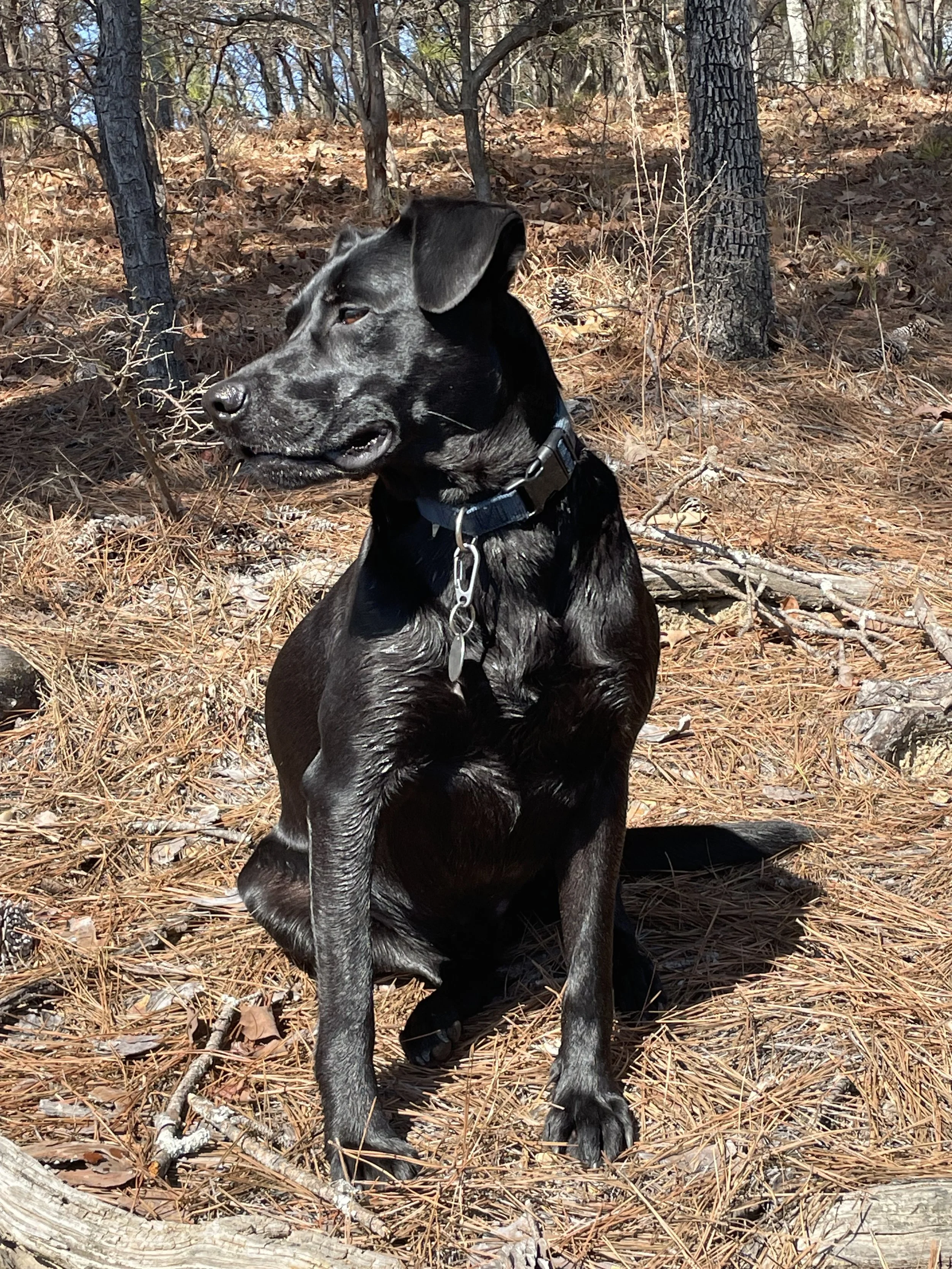
Bama after a swim @ Red Top Mountain, Georgia
Key Health Concerns
Hip & Elbow Dysplasia: the most widely recognized orthopedic condition affecting Labradors. It occurs when the hip joint develops improperly, leading to joint instability, degeneration, and eventually arthritis. As Retrievers are large, active dogs, repetitive stress on the joint can accelerate degeneration. Both Hip and Elbow dysplasia are influenced by genetics, body weight, growth rate, and activity level.
Common Signs Include:
Difficulty rising or jumping
Bunny-hopping gait
Reduced activity or reluctance to exercise
Hind-limb weakness
Obesity & Metabolic Issues: This breed has a well-documented predisposition to obesity, partly due to a mutation in the POMC (proopiomelanocortin) gene, which affects appetite regulation and satiety. Maintaining an ideal body weight is the single most important health intervention for Labrador-influenced dogs. For Bama, who takes multiple daily hikes/walks, this activity level is already a protective factor.
Overweight likely to develop:
Joint Degeneration
Diabetes
Cardiovascular Strain
Reduced Lifespan
Exercise-Induced Collapse (EIC): a genetic neuromuscular disorder that causes affected dogs to collapse after intense exercise, particularly in hot conditions or during high excitement. Most dogs are carriers and may never develop symptoms. Awareness helps owners adjust training intensity and monitor activity levels.
Typical Symptoms:
Hind-limb weakness after strenuous exercise
Wobbly gait
Collapse during extreme exertion
Strategies for a Better Life
We all worry about the health of our Labrador Retrievers. The good news is that most health issues associated with it are strongly influenced by lifestyle, meaning owners have significant control over prevention. Next, we will detail the strategies you, as a Labrador Retriever owner, should implement.
Maintain Lean Body Condition w/ Fresh Whole-Food Nutrition: a body condition score of 4-5 out of 9 dramatically reduces risk of arthritis and metabolic disease. Bama’s diet is based on fresh, homemade cooked meals, which allows precise control over ingredient quality and nutrient density. Structured feeding and whole-food diets help support health while preventing obesity-related issues.
A proper diet provides high-quality protein for muscle maintenance, natural fats for joint health, and fewer processed carbohydrates than many commercial foods.
Bama’s Diet:
Lean Proteins (ground beef/bison/turkey/chicken)
Whole Grains (rice/quinoa)
Dog-safe vegetables
Bone-broth for hydration & minerals
Supplemental spices, vitamins, etc.
Consistent Daily Exercise: Labrador Retriever genetics thrive with regular physical activity. Providing regular, moderate exercise is especially beneficial because it reduces the risk of obesity while strengthening the muscles that support the hip joints.
Bama’s Routine:
2-3 walks/hikes per day (1.5–4 miles per walk)
Regular play/training sessions
Hiking with other dog companions
Following this activity helps maintain lean body composition, joint stability, cardiovascular health, and mental stimulation.
Early Joint Support & Preventive Care: Retrievers are predisposed to joint disorders; early preventive care can significantly delay the onset of arthritis and help maintain mobility later in life. Supplementation may help protect cartilage integrity and support long-term joint function, especially in active dogs with Labrador ancestry.
Joint Support Strategies:
Maintaining a lean body condition
Daily exercise to strengthen supporting muscles
Omega-3 fatty acids to reduce inflammation
Joint supplements (Bama uses = Cosequin)
Bama’s Lifestyle Supports Health
Based on his current routine, Bama benefits from many protective factors recommended for 35.3% (Labrador Retriever). The lifestyle choices below significantly reduce the likelihood of obesity, metabolic disease, and degenerative joint conditions commonly associated with genetics.
Bama’s Lifestyle:
Fresh homemade diet
Structured feeding schedule
Lean, athletic body condition
Frequent daily exercise
Joint supplementation with Cosequin
Social activity & play

Bama @ Red Top Mountain
Thank You, Reader
Thank you for taking the time to step into Bama’s world. His story is more than a breakdown of breeds—it is a reflection of what happens when we choose to understand, not just observe. And this is only the beginning!
Bama is not defined by a single lineage, but by the unique combination of influences that shape how he moves, responds, and lives. From his Labrador foundation to the strength of his working breeds, each layer adds depth—but none quite capture the full picture on their own.
And then there is the part that makes him truly one of a kind: the SuperMutt.
Not a category of uncertainty—but a reminder that not everything meaningful can be neatly labeled. It represents resilience, adaptation, and the individuality that makes Bama-BAMA.
As we move forward in this series, we will take a deeper look into each piece of his DNA—connecting breed traits to real-life health strategies, behavior, and the intentional care that supports his life.
At Helping Paws, science meets story.
Stay with us as we continue exploring the layers that make up Bama—because understanding him means understanding how to better care for the dogs we love.
Resources:
Raffan, E., et al. (2016). A deletion in the canine POMC gene is associated with weight and appetite in Labrador Retrievers.
Cell Metabolism, 23(5), 893–900.
Smith, G. K., et al. (2012). Pathogenesis, diagnosis, and control of canine hip dysplasia.
Veterinary Clinics of North America: Small Animal Practice, 42(4), 769–789.
Patterson, E. E., et al. (2008). A canine genetic test for exercise-induced collapse in Labrador Retrievers.
Journal of the American Veterinary Medical Association, 232(3), 412–417.
Kealy, R. D., et al. (2002). Effects of diet restriction on life span and age-related changes in dogs.Journal of the American Veterinary Medical Association, 220(9), 1315–1320.
German, A. J. (2016). The growing problem of obesity in dogs and cats. Journal of Nutrition, 136(7), 1940S–1946S.
American Kennel Club. (2023). Labrador Retriever health and care guide. https://www.akc.org/dog-breeds/labrador-retriever/